
Sustainable Construction in the Gulf: The Role of Manara Minerals

The Gulf Cooperation Council (GCC) is undergoing a major shift toward sustainable construction. Driven by initiatives like the UAE Net Zero 2050, there is a growing demand for eco-friendly materials that reduce environmental impact while maintaining high performance standards. In this evolving landscape, Manara Minerals has emerged as a key partner, supplying premium industrial minerals […]
Marble vs. Limestone: Which Natural Stone is Right for Your Project?
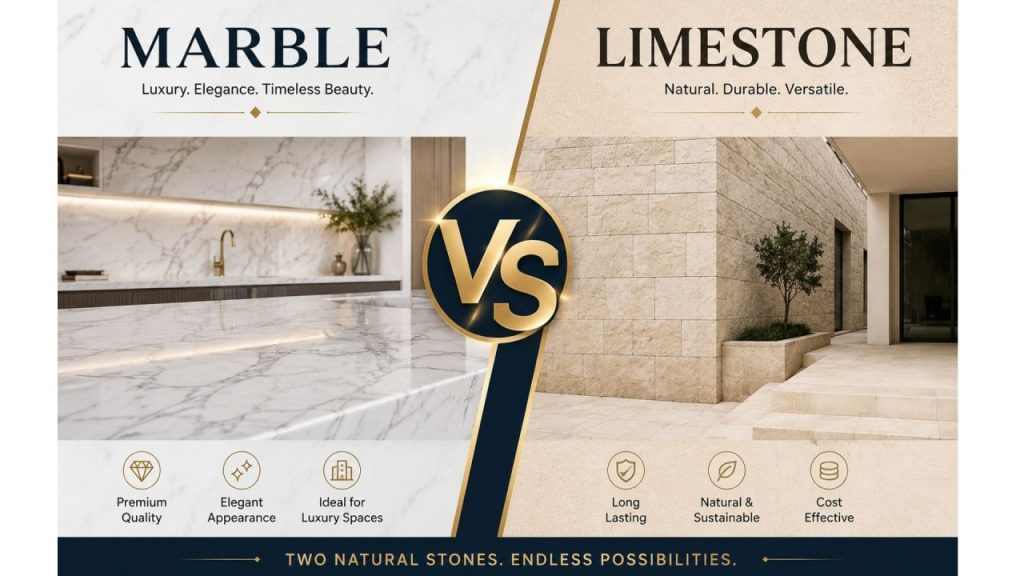
Natural stone has remained one of the most trusted materials in architecture, construction, and interior design for centuries. Among the most popular choices are Marble and Limestone — two elegant materials often compared for flooring, walls, facades, countertops, and commercial applications. While both stones offer timeless beauty, they differ significantly in durability, appearance, maintenance, cost, […]
Treated Calcium Carbonate vs. Untreated Calcium Carbonate: What’s the Difference?
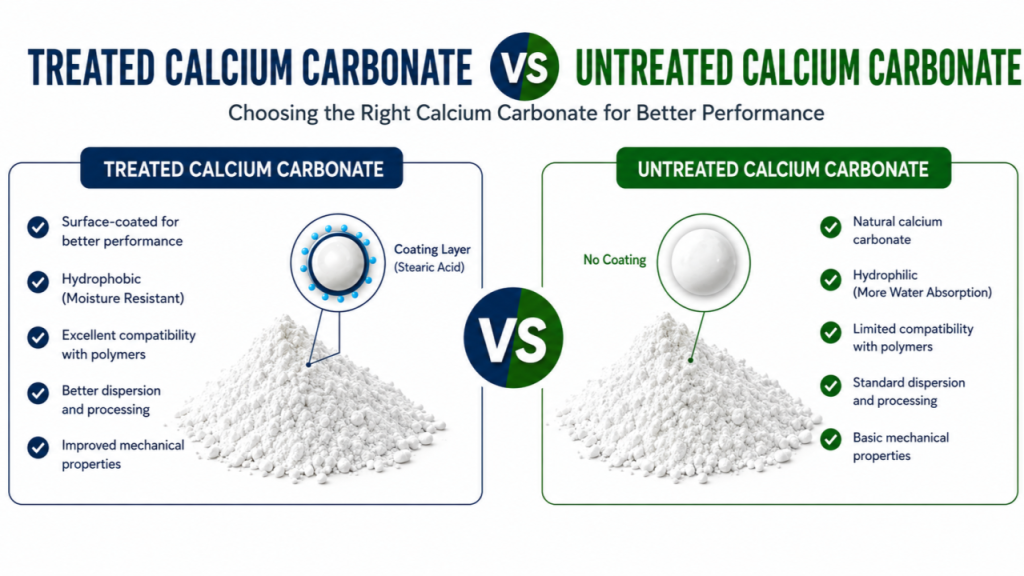
In industries such as plastics, paints, construction chemicals, rubber, paper, and adhesives, calcium carbonate plays a critical role as a functional filler and performance enhancer. However, many manufacturers still ask an important question: Should you choose treated calcium carbonate or untreated calcium carbonate? Understanding the difference can help improve product performance, reduce production costs, and […]
Marble Powder vs Calcium Carbonate: What Industrial Buyers Need to Know?
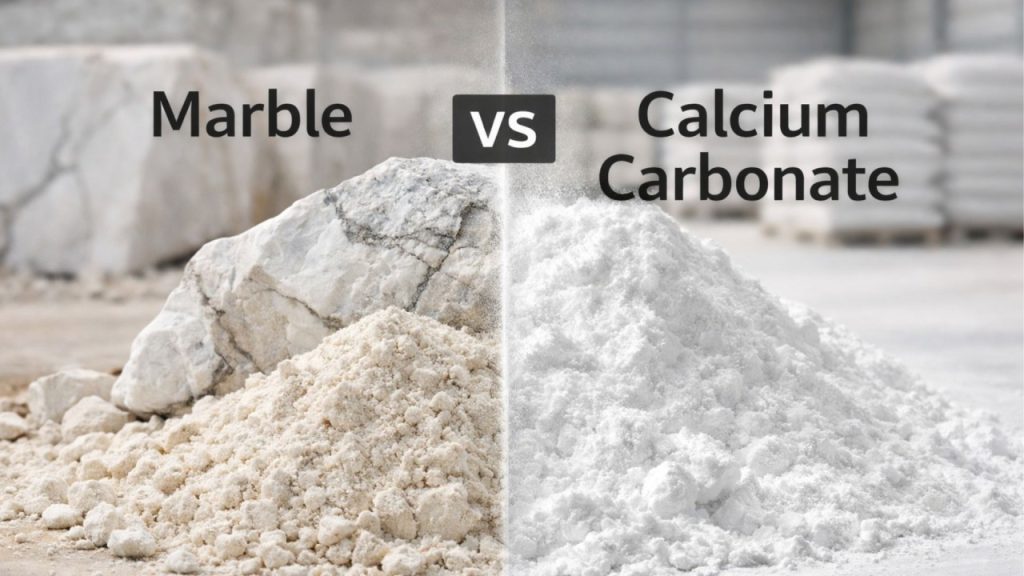
In industries such as construction, paints, plastics, and ceramics, one common question comes up frequently: 👉 Is marble powder the same as calcium carbonate? The answer is not as simple as yes or no. Understanding the Core Relationship Marble powder is derived from natural marble stone, which is primarily composed of calcium carbonate (CaCO₃). However, […]
Copper Slag vs Garnet Sand: Which Abrasive is Better for Blasting?
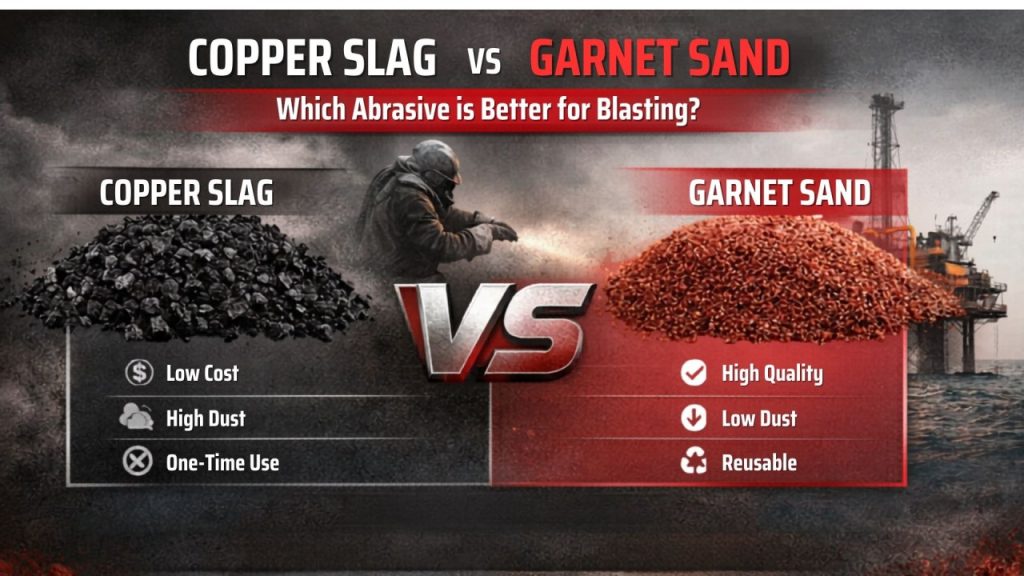
In industries such as oil & gas, construction, marine, and infrastructure, abrasive blasting plays a critical role in surface preparation. Choosing the right material directly impacts coating performance, project cost, and operational efficiency. Two of the most commonly used abrasives are copper slag and garnet sand. While both are effective, they serve different purposes depending […]
Fly Ash vs Microsilica: What’s the Real Difference in Concrete Performance?
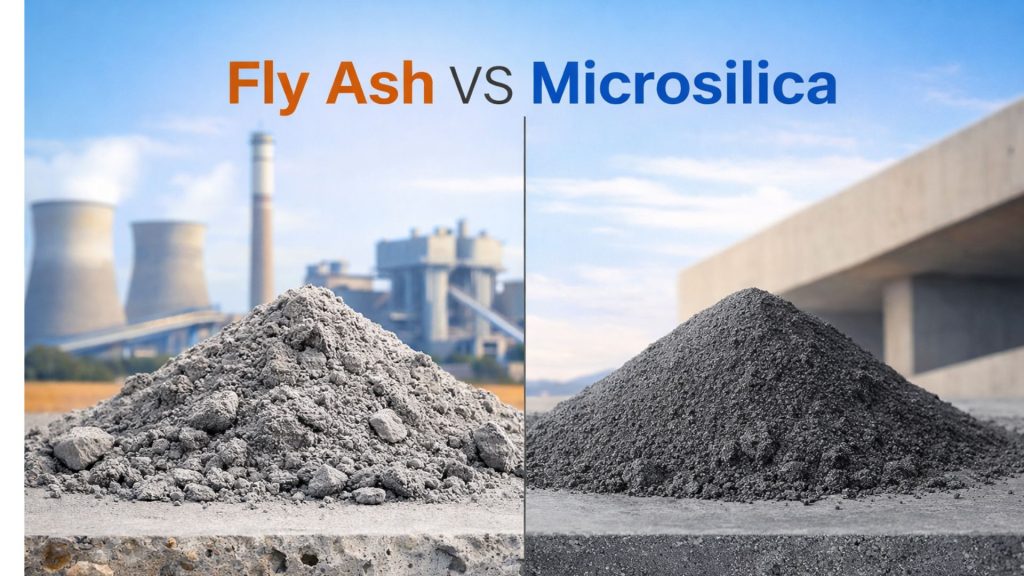
In today’s construction industry, choosing the right supplementary cementitious material (SCM) is critical for performance, durability, and cost efficiency. Two of the most widely used materials are fly ash and microsilica (silica fume). While both improve concrete properties, they serve very different purposes. If you are a contractor, consultant, or materials supplier, understanding this difference […]
What is the Sieve Method for Particle Size Determination?
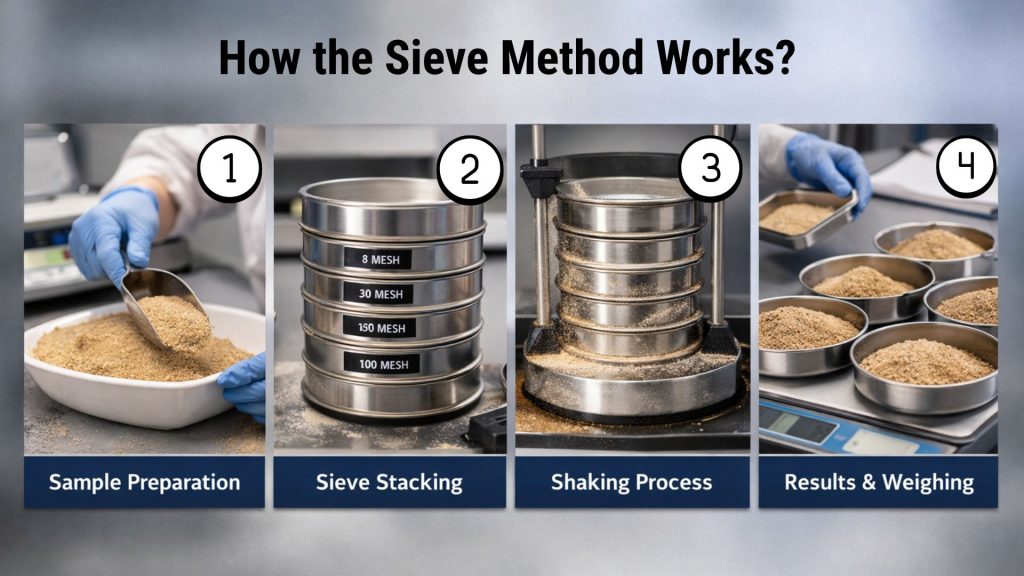
In industries such as construction, water filtration, glass manufacturing, and oil & gas, particle size matters more than most buyers realize. Whether you’re working with silica sand or other industrial minerals, the way particle size is measured directly impacts product performance, quality, and compliance. One of the most widely used and reliable techniques for determining […]
Rounded vs. Angular Silica Sand Shape: Which One is Better for Your Application?
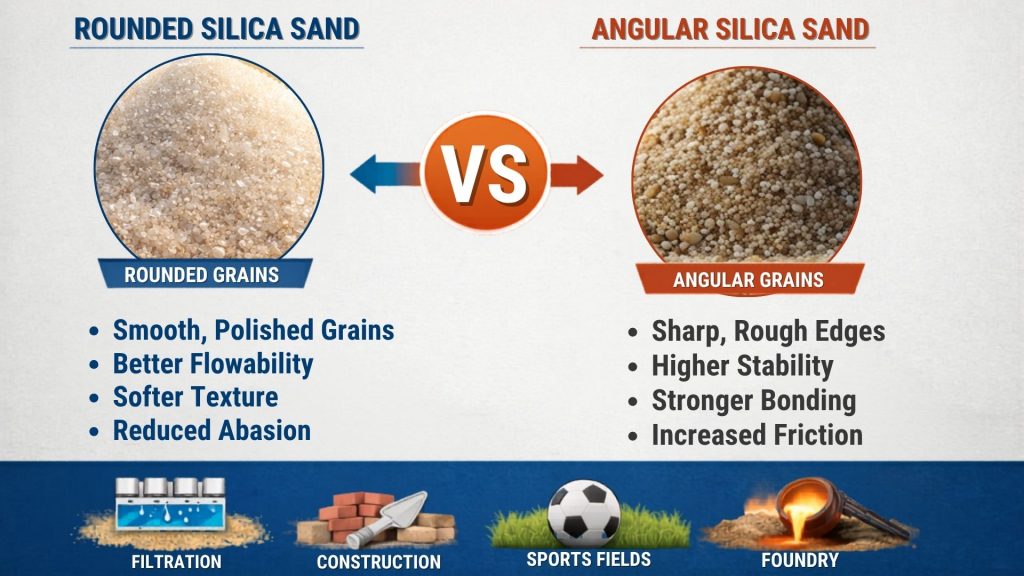
Silica sand shape is one of the most important factors industrial buyers should understand before choosing a material. While many people focus only on particle size, mesh, or chemical purity, the shape of silica sand grains can significantly affect performance in construction, filtration, sports surfaces, foundry work, and specialty industrial uses. The two main grain-shape […]
Mesh vs Micron: What Every Industrial Buyer in the GCC Must Understand
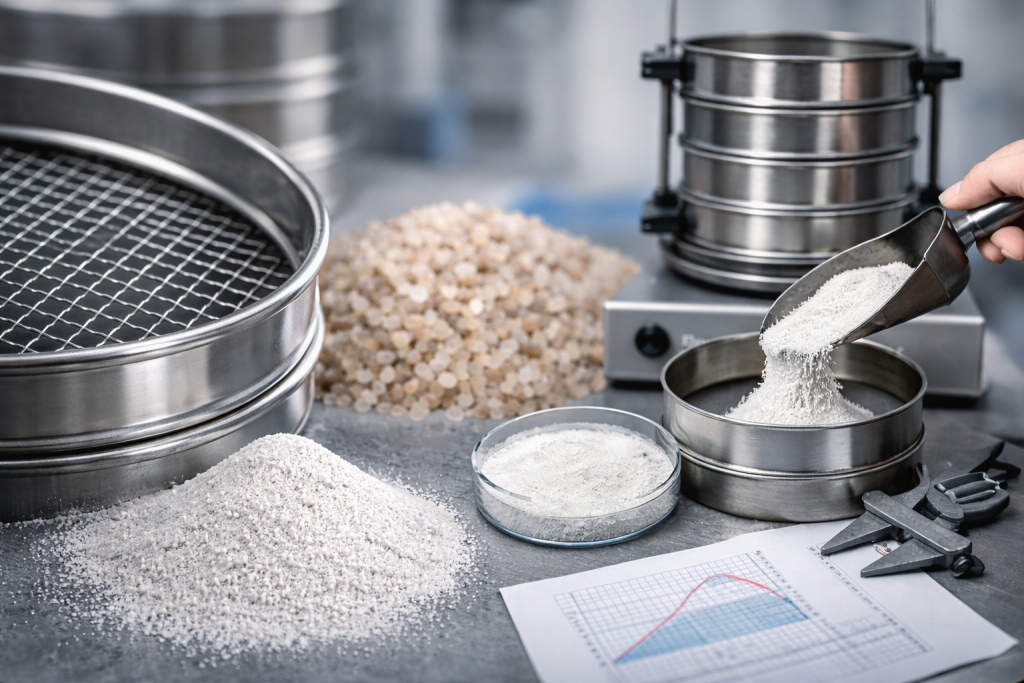
In the industrial minerals business, small numbers make a big difference. If you are buying silica sand, silica flour, or calcium carbonate for construction chemicals, glass manufacturing, paints, plastics, water filtration, or oil & gas — understanding the difference between mesh and micron is critical. Yet many quotations across the GCC still mention only one. […]
Understanding SiO₂ – Silicon Dioxide (Silica) Purity: What Does 99% Really Mean?
When industrial suppliers advertise “99% SiO₂ silica sand”, what does that actually mean? Is 99% always good enough? Is 99.5% significantly better? And when does purity really matter? For engineers, procurement managers, and industrial buyers in Saudi Arabia, UAE, and global markets, understanding silica purity is critical — because not all “99%” materials perform the […]